· 7 min read
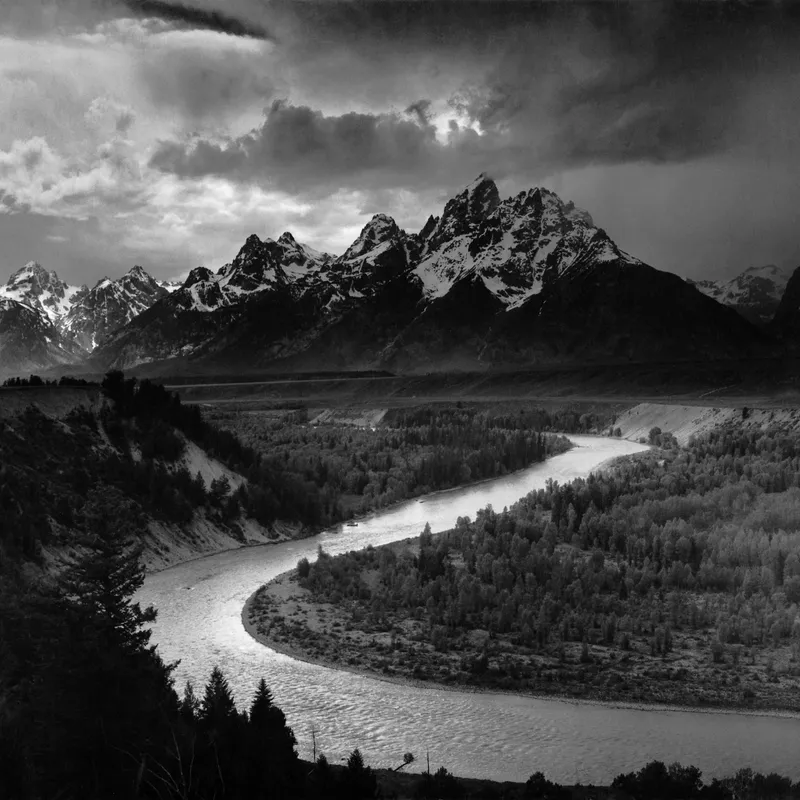
The Zone System, explained for film shooters
How Ansel Adams's Zone System turns metering into a deliberate choice — and how to use it without a darkroom full of gear.
· 7 min read
How Ansel Adams's Zone System turns metering into a deliberate choice — and how to use it without a darkroom full of gear.

· 7 min read
Why removing the color filter array raises a digital sensor's resolution and sensitivity compared with desaturating a Bayer color file to grayscale.
· 6 min read
How weighting red, green and blue channels in conversion reproduces the effect of physical filters, and where sensor color response sets the limits.

· 7 min read
Silver-halide grain is a clumped, developed structure; sensor noise is photon shot noise plus read noise. Why each looks distinct in a monochrome print.
· 7 min read
How selenium, cadmium-sulfide, and silicon photodiode meter cells differ in spectral response, memory effect, and low-light accuracy.
· 7 min read
How a film's spectral sensitivity curve converts colors into gray tones, why early orthochromatic emulsions darkened skin, and how panchromatic film fixed it.
· 7 min read
How view camera movements redistribute the plane of focus and correct perspective, governed by the Scheimpflug condition and the hinge rule.
· 6 min read
How the TLR's stacked viewing and taking lenses produce parallax error, why the 6x6 frame shaped composition, and the optical tradeoffs of the design.
· 7 min read
How coincident-image rangefinders and through-the-lens SLR focusing differ in precision and failure modes for black and white work.
· 8 min read
How a lens's MTF at low and high spatial frequencies governs apparent sharpness and the microcontrast that defines a monochrome rendering.
· 7 min read
How silver grain size, film speed and development build a tactile structure, and how photographers turned coarse grain into a deliberate style.
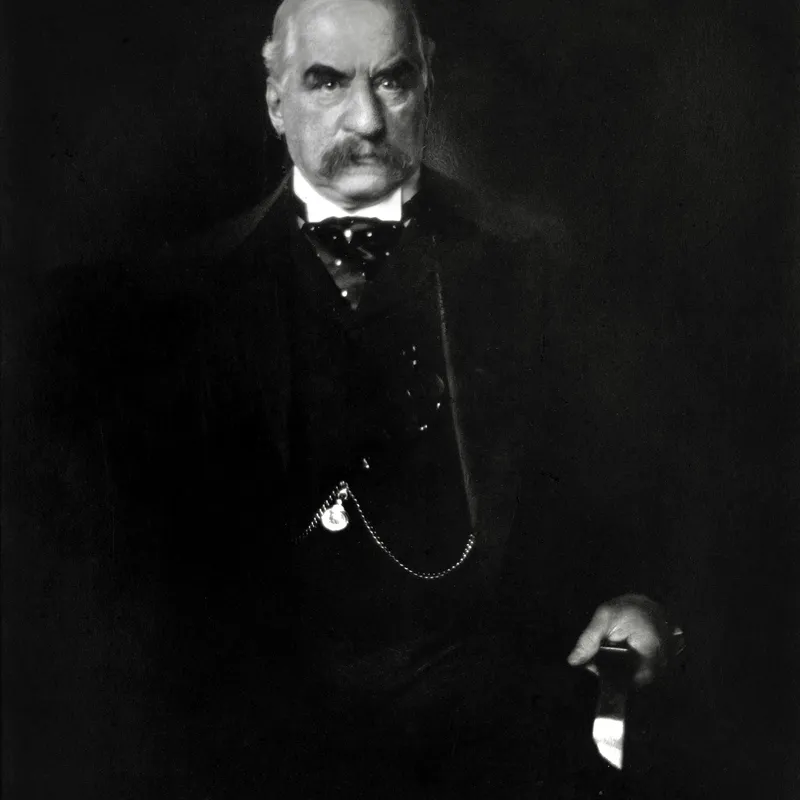
· 7 min read
How shifting a monochrome scene into the bright or dark end of the tonal scale sets mood, and the metering and lighting each approach demands.
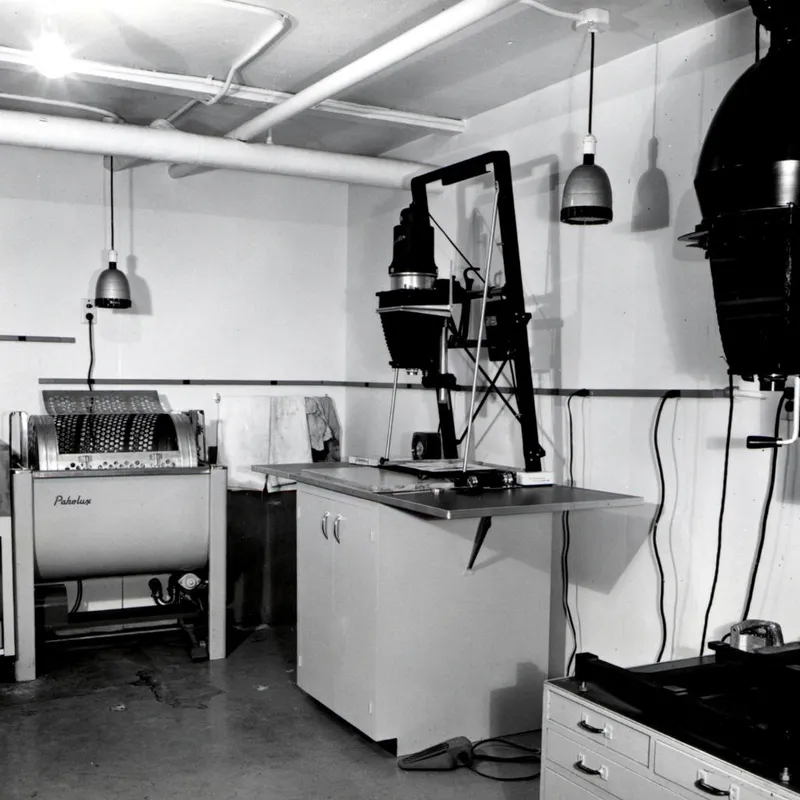
· 9 min read
How fixed-grade and variable-contrast papers reshape a negative's tonal range, and how enlarger filtration sets contrast under the lens.
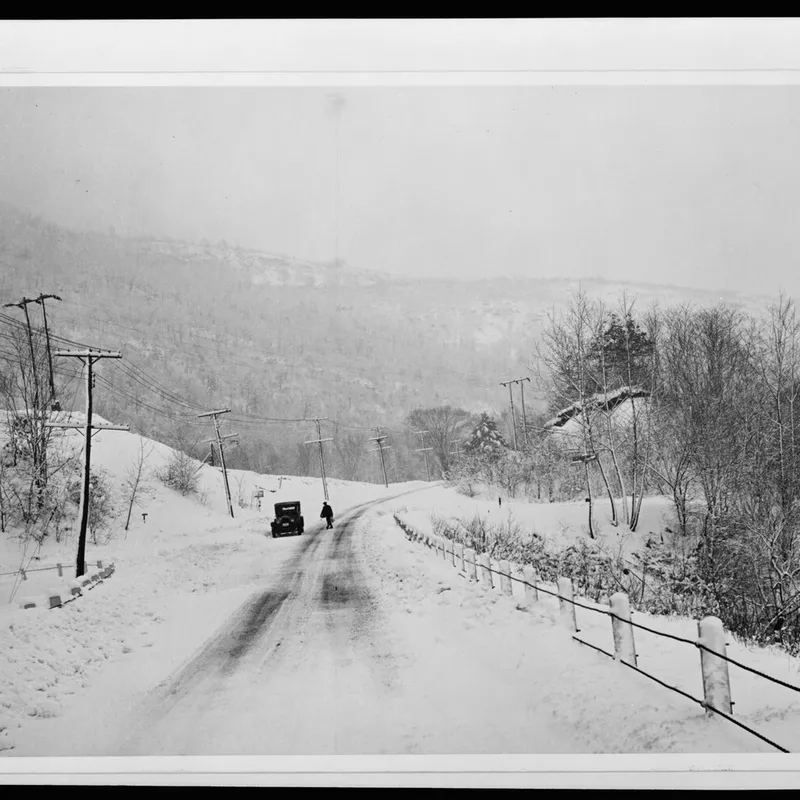
· 6 min read
In monochrome a line is wherever light meets dark. How luminance edges, not colour boundaries, carry the eye through a black and white frame.
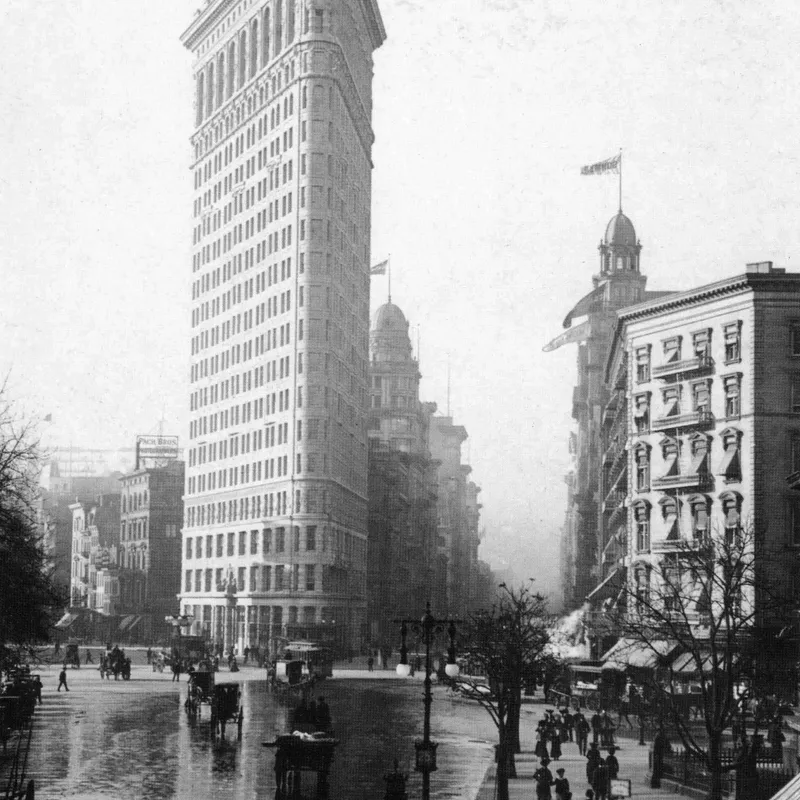
· 8 min read
How shadow falloff on planar surfaces, hard graphic edges and the absence of colour make monochrome a natural language for architectural form.
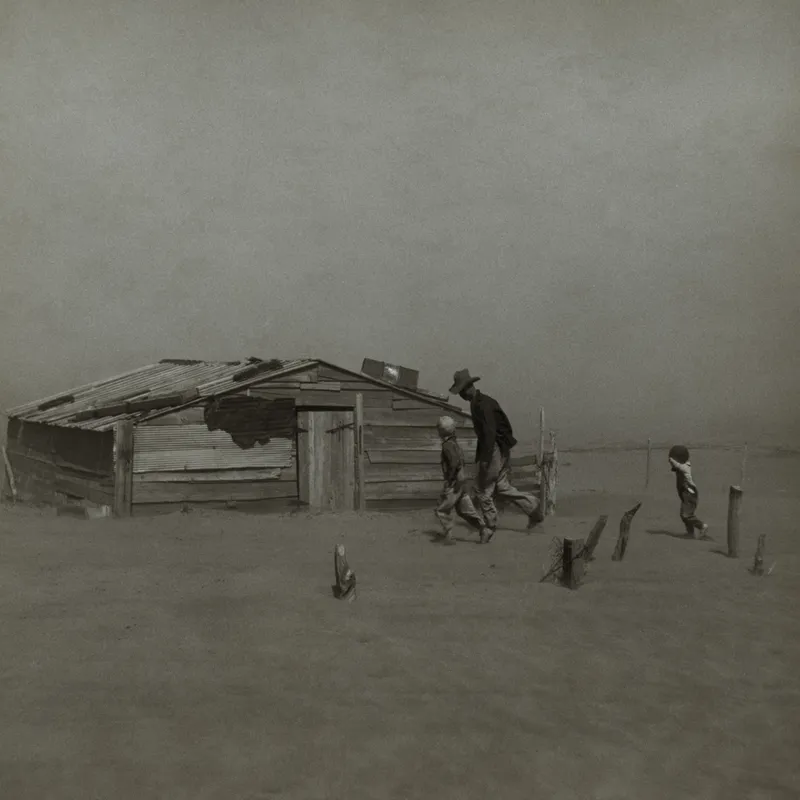
· 7 min read
How large fields of unbroken tone isolate a subject and create balance, a compositional device sharpened by the restraint of black and white.
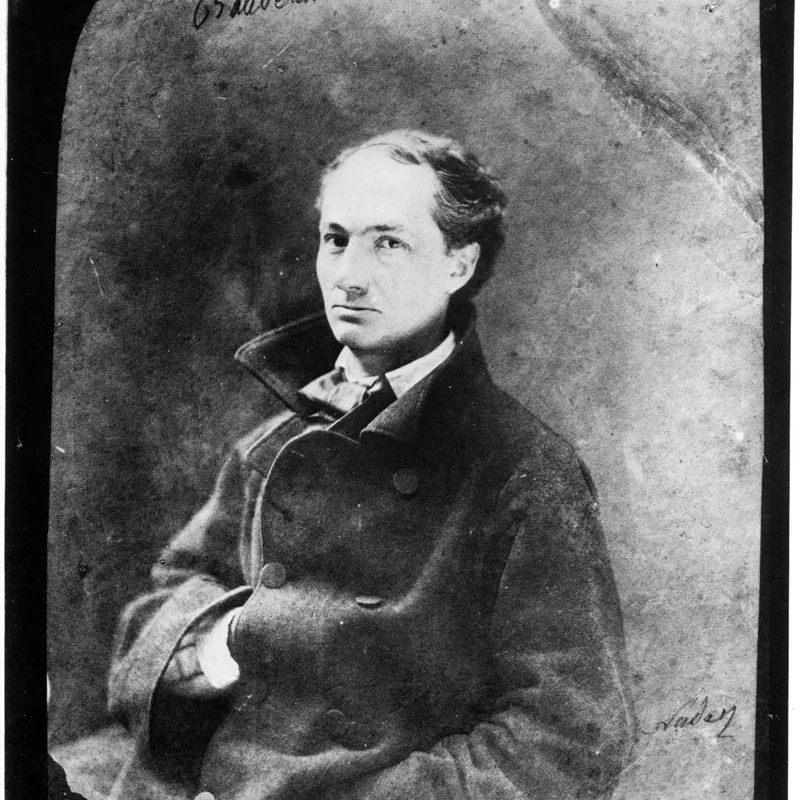
· 6 min read
How a single hard light, deep shadow and minimal fill build Rembrandt and split lighting, and how the Zone System keeps the dark side readable.
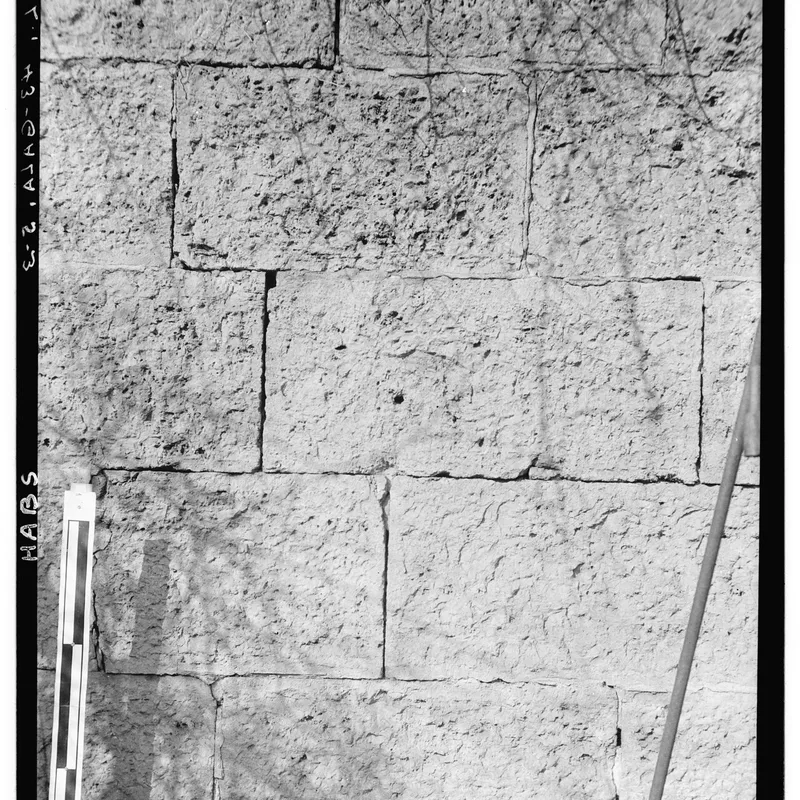
· 6 min read
How the angle of light governs the micro-shadows that read as texture, and why grazing light becomes essential when colour cannot do the separating.
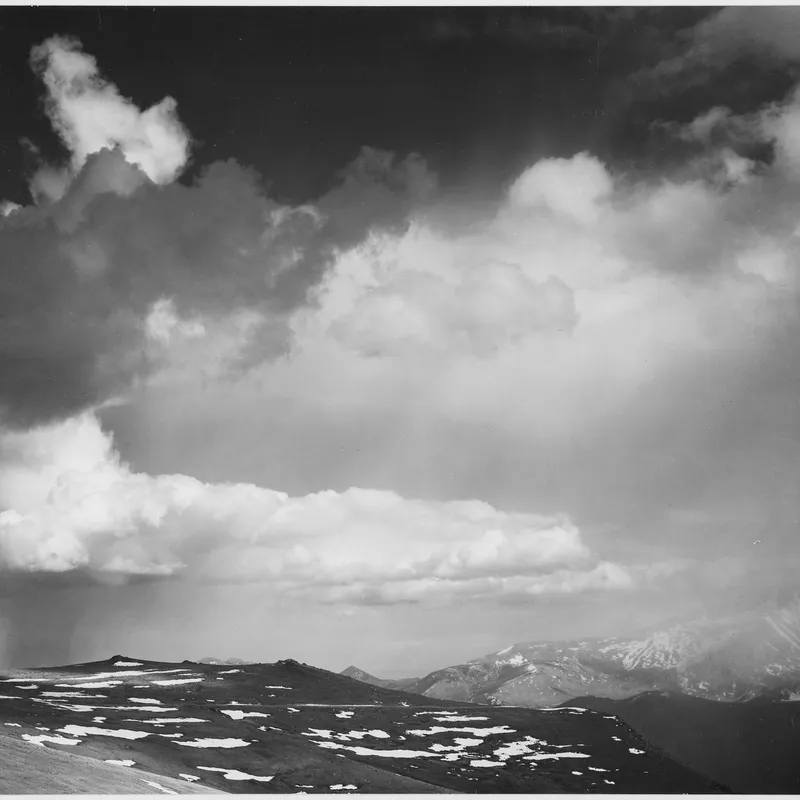
· 7 min read
How coloured contrast filters reassign tones in monochrome, and why a red filter darkens a blue sky while leaving clouds bright.
· 7 min read
Why colours of equal brightness collapse into the same grey in black-and-white, and methods for previsualizing how a scene's hues translate to tone.
· 6 min read
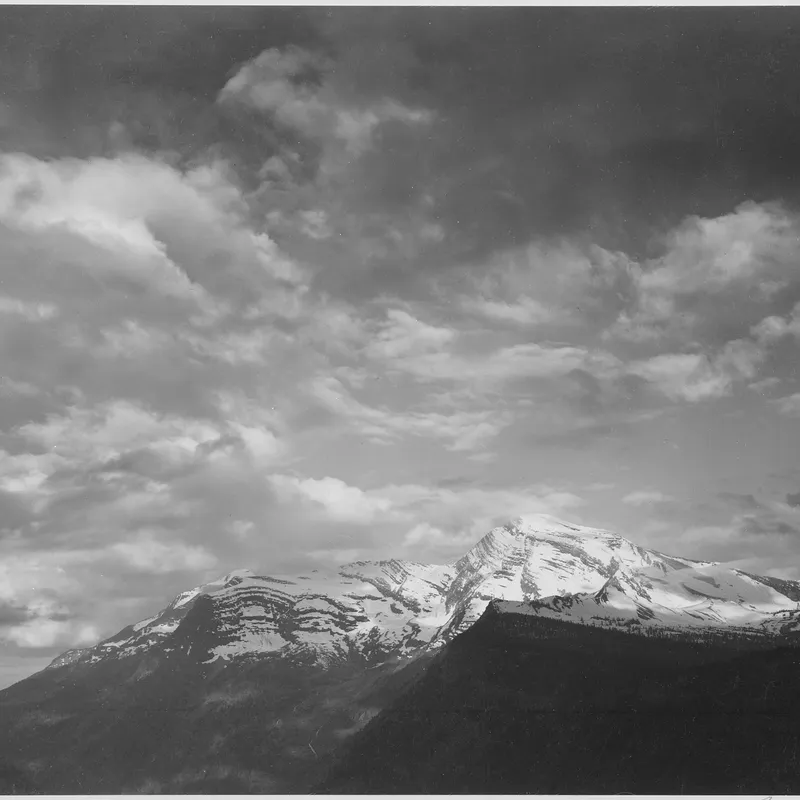
How Ansel Adams treated the negative as a fixed score and the print as performance, holding back and burning in to realize a visualized tonal scale.
· 6 min read
How Kenna's small square negatives, exposures of seconds to hours, and vast empty fields reduce landscape to a few essential tonal marks.

· 6 min read
How Salgado built heroic tonal range from soft light, then printed digital captures as silver gelatin via LVT film negatives for the Genesis series.
· 6 min read
How Bill Brandt traded tonal fidelity for stark blacks, bleached whites, and the steep distortion of a wide-angle police camera.
· 6 min read
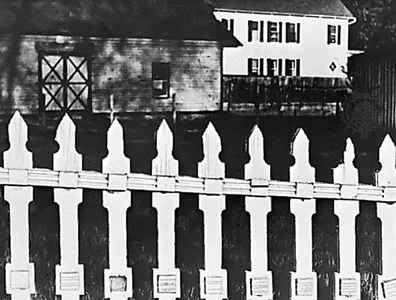
How Strand traded soft pictorialism for sharp, frontal, geometric framing, and what his fences, shadows and machines taught modern black and white seeing.

· 8 min read
How Cartier-Bresson fused timing with internal geometry, composing the full 35mm frame in the viewfinder and printing uncropped, with the Leica as a discreet tool.
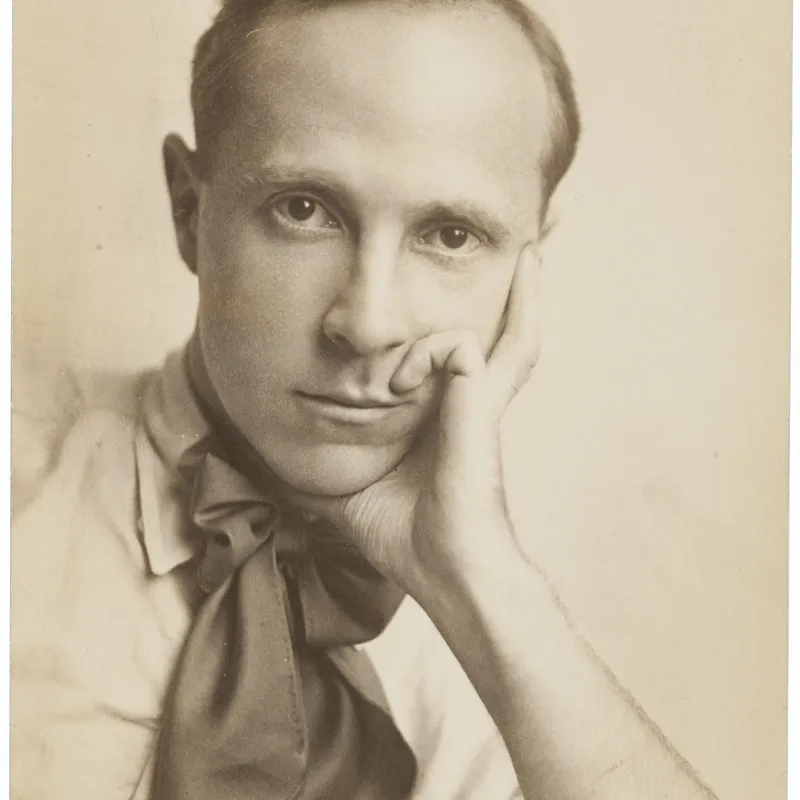
· 7 min read
How Edward Weston used a small aperture, raking light, and contact printing to abstract a pepper into pure form, and what that discipline teaches.
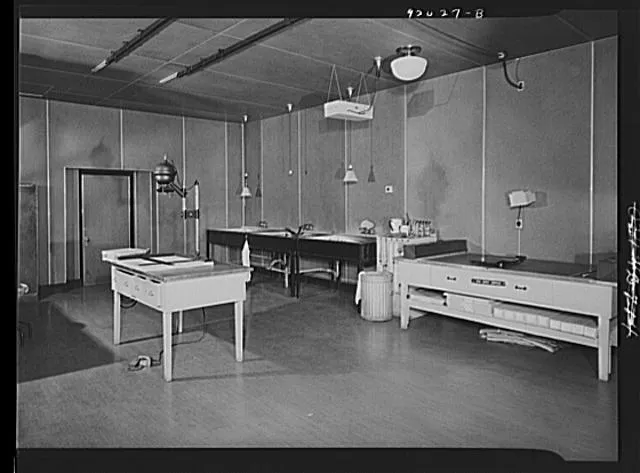
· 7 min read
How weak selenium baths tone shadows before mid-tones, why the print must be watched to a chosen stopping point, and how to combine toners for two-colour results.
· 7 min read
How to choose safelight colour, wattage and distance for black and white paper, and run a fog test that reveals trouble before it shows.
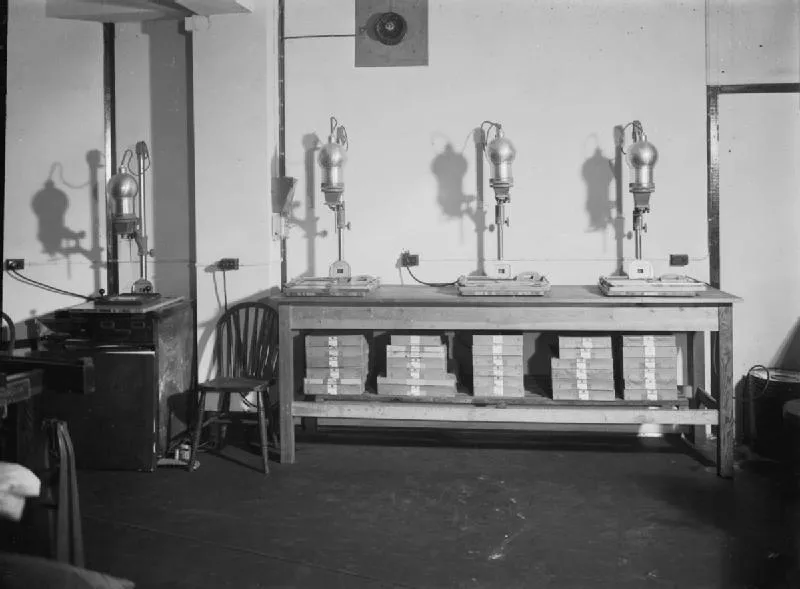
· 7 min read
How a sub-threshold pre-exposure lowers highlight contrast on printing paper, why it works on the toe of the curve, and how to calibrate the flash level.
· 7 min read
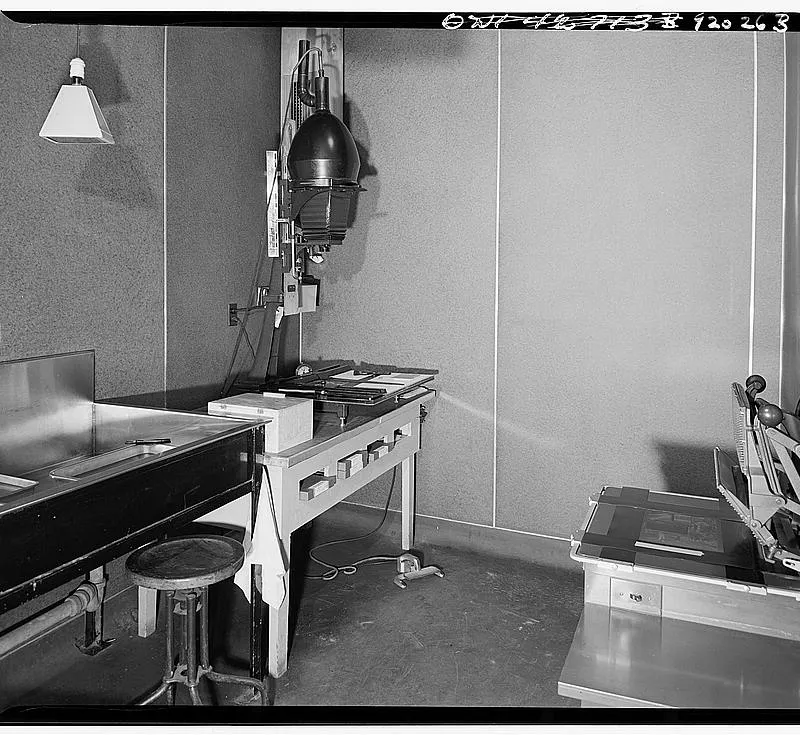
How aligning the negative stage, lens and baseboard, focusing with a grain magnifier, and setting the easel produce sharp prints across the whole frame.
· 6 min read
How a single fixer bath exhausts into silver-laden complexes, why two-bath fixing ensures complete fixation, and how to track capacity for permanence.
· 6 min read
Fibre prints darken and flatten as they dry. How to measure the dry-down percentage and adjust exposure and contrast so the dry print matches the wet judgement.
· 6 min read
Why film loses sensitivity during long exposures, how to read a stock's reciprocity data, and how to correct metered exposure times.
· 7 min read
How developer chemistry, dilution, temperature and time govern print colour and contrast, and why developing a print fully matters.
· 7 min read
The colour-sensitised emulsions inside multigrade paper, how magenta and yellow filtration sets the grade, and why exposure shifts at the hard end.
· 7 min read
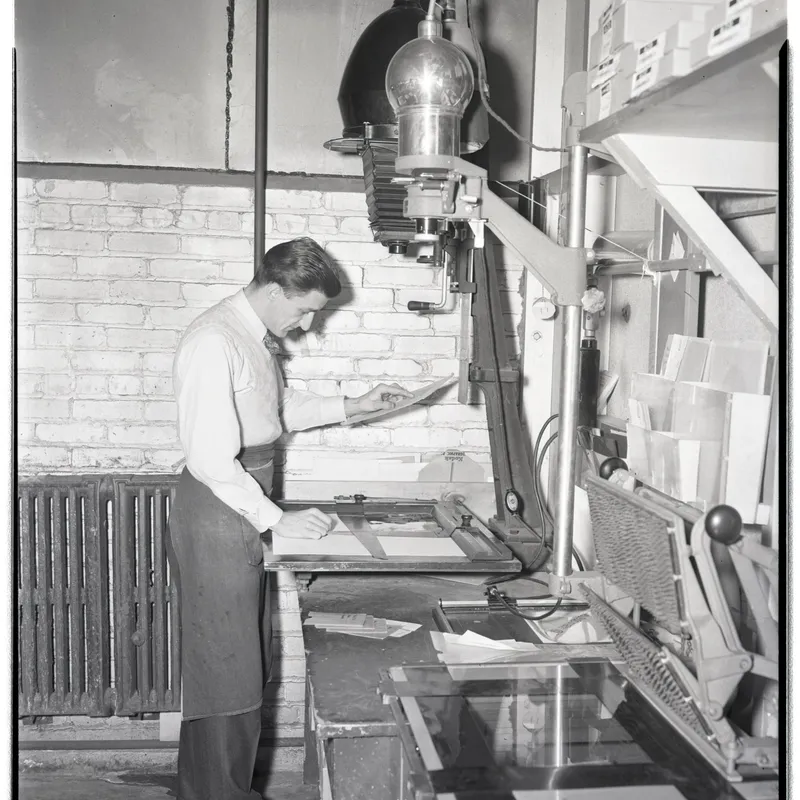
Why condenser and diffusion enlarger heads render contrast and grain differently, the Callier effect behind it, and how to choose between them.
· 6 min read
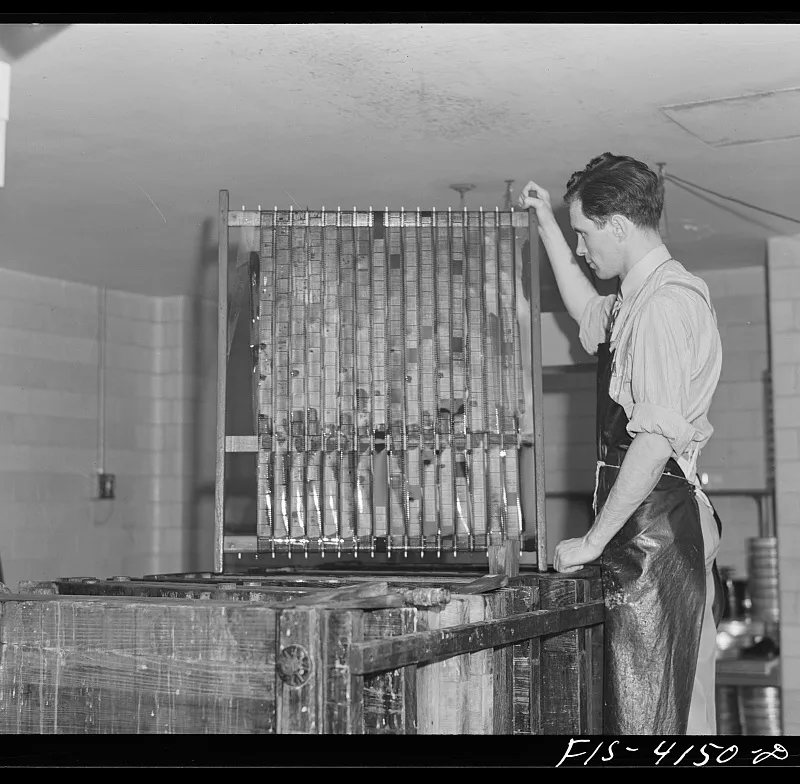
How a single-exposure proof sheet reveals negative density and contrast across a roll, and how it guides frame selection and pre-visualisation for printing.
· 7 min read
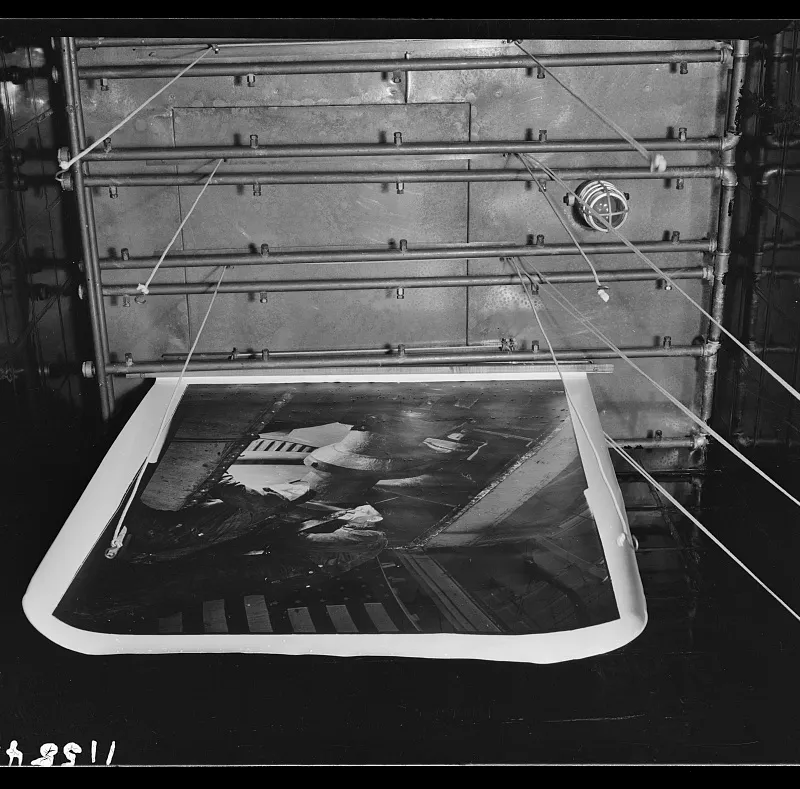
How fixer is removed from a fibre paper base, the role of a hypo clearing agent, water-economical wash sequences, and tests for residual silver and hypo.
· 7 min read
How holding back and adding light to specific print areas works, why constant motion keeps edges soft, and how a printing map records the sequence.
· 6 min read
How the baryta-and-paper construction of fibre prints differs from the plastic-sealed RC base, and the consequences for washing, drying and archival life.
· 6 min read
How gold chloride deposits metallic gold over silver to cool a print toward blue, improve permanence, and produce red-chalk tones after sepia.
· 6 min read
How the two-bath sulphide sepia process converts image silver to silver sulphide, and how bleach dilution controls warmth and split-toning.
· 5 min read
How a stepped test strip establishes base enlarging exposure, covering aperture choice, strip orientation across the tones, and judging it under room light.
· 7 min read
How selenium converts image silver to stable silver selenide, what dilution and time control colour shift, and the effect on maximum black and Dmax.
· 7 min read
How printing through grade 0 and grade 5 filtration in two separate exposures gives independent control over highlight tone and shadow contrast.
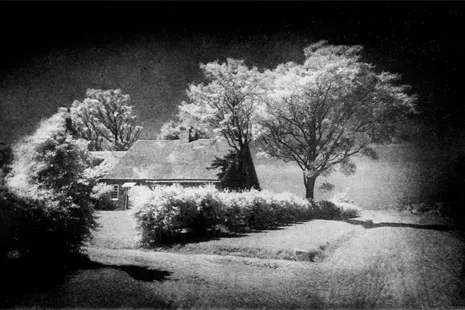
· 8 min read
How infrared-sensitive film with a deep red or opaque IR filter renders foliage white and skies black, and why the lens must be refocused.
· 6 min read
A contrast filter's effect on tonal rendering and its filter factor both shift with the light source, because the source supplies the wavelengths the filter selects from.
· 6 min read
When a contrast filter is combined with a polarizer or ND, the filter factors multiply rather than add, and each glass surface adds optical penalties.
· 6 min read
How filter factors are derived, why they shift with light source and film, and how to convert a factor into stops of added exposure.
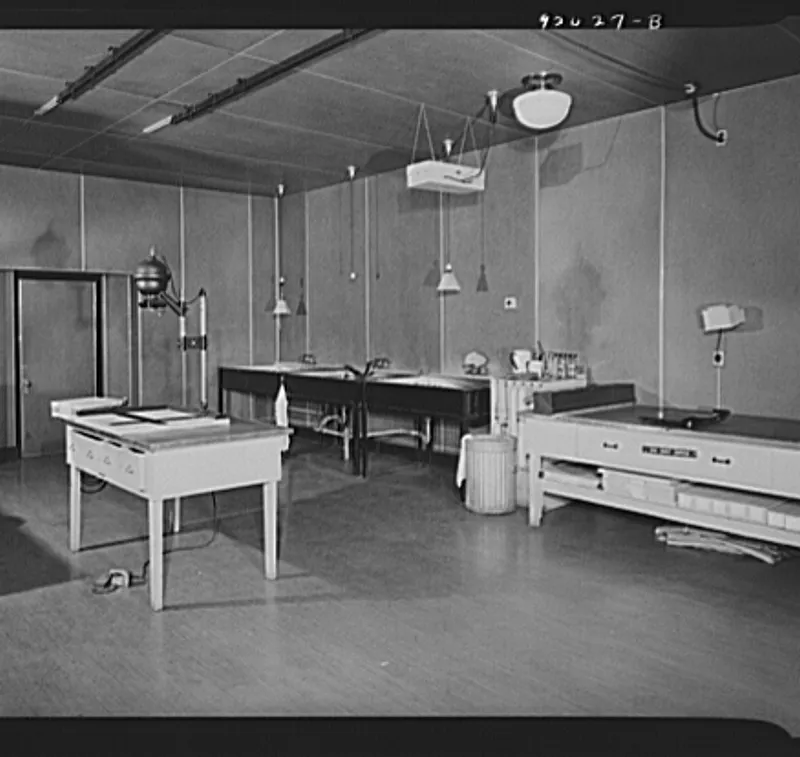
· 8 min read
How a negative's density range maps onto a paper's exposure scale, and how to pick a contrast grade that fits a thin or dense negative.
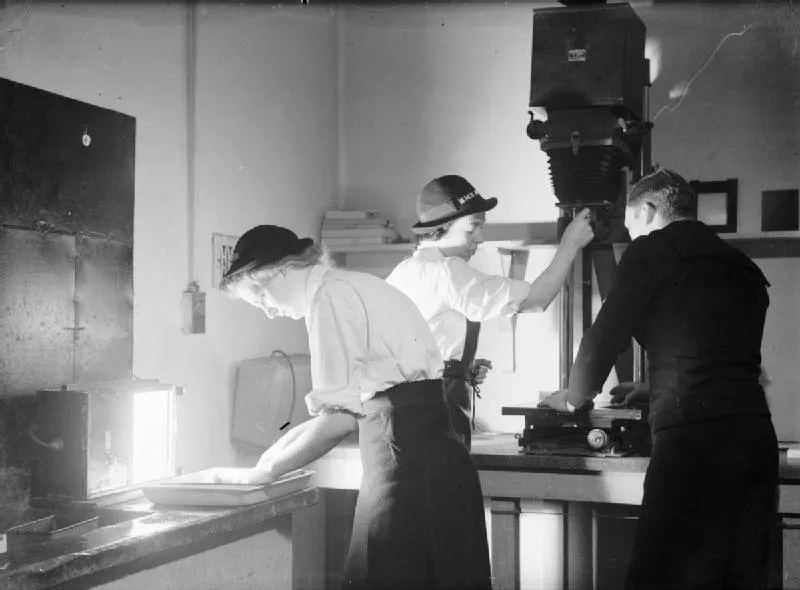
· 6 min read
How fixed-grade and variable-contrast darkroom papers control tonal contrast, and the trade-offs in consistency, flexibility and split-grade printing.
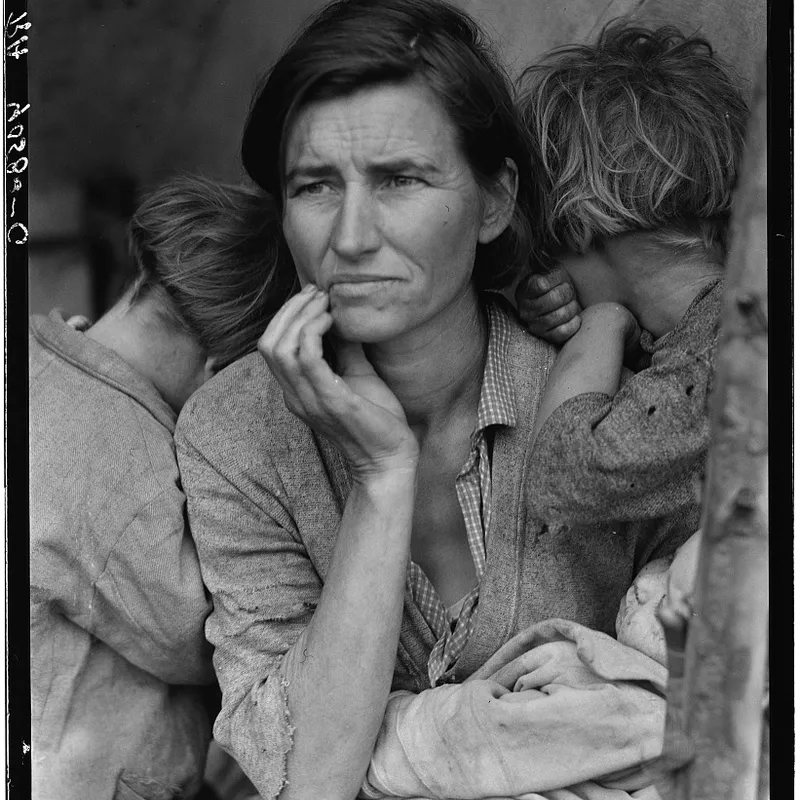
· 6 min read
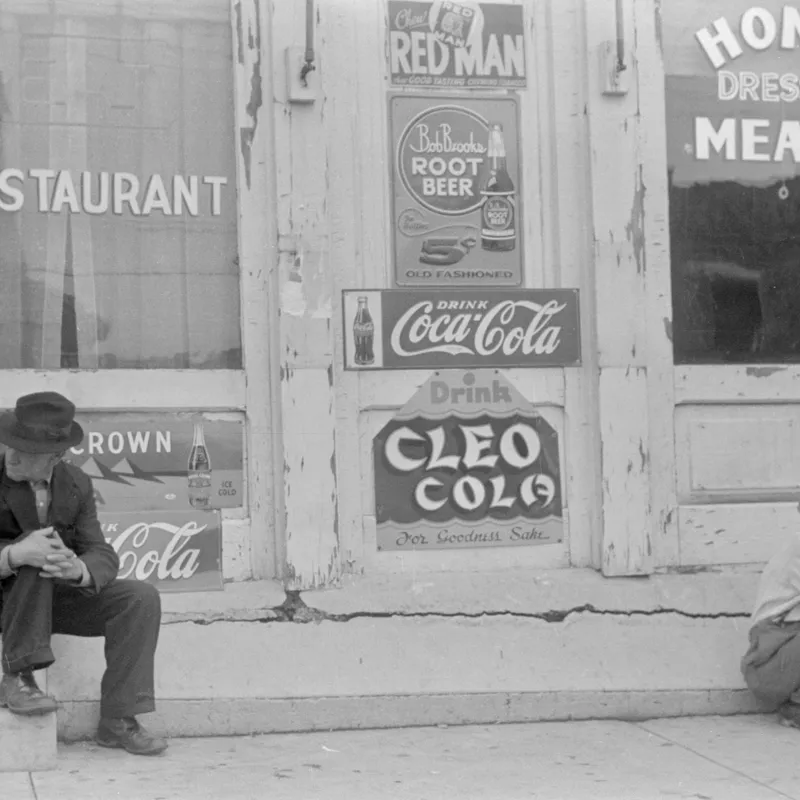
How Dorothea Lange's Depression-era FSA work used restrained tonality and physical closeness, and why monochrome carried the documentary weight.
· 6 min read
How neutral density filters are rated by optical density, f-stop reduction and ND number, and the arithmetic for recalculating shutter speed.
· 6 min read
How beam-splitter meters and autofocus sensors misread linearly polarized light, and what a quarter-wave plate changes optically and for exposure.
· 7 min read
How the red-blindness of orthochromatic emulsions shaped portrait and landscape tonality before panchromatic film made all colors visible.
· 7 min read
How a polarizer darkens blue sky and suppresses reflections off water and glass by physics rather than colour, and how it differs from a contrast filter.
· 7 min read
How orthochromatic film's blindness to red darkens skin and reds while panchromatic emulsions record the full spectrum, and what each does to tone.
· 6 min read
How a green filter lightens foliage and darkens red and skin tones, and where it separates leaf tones better than a yellow filter.
· 6 min read
Why the blue filter exaggerates atmospheric haze and softens distance in black-and-white, and how it recreates the rendering of early orthochromatic emulsions.
· 7 min read
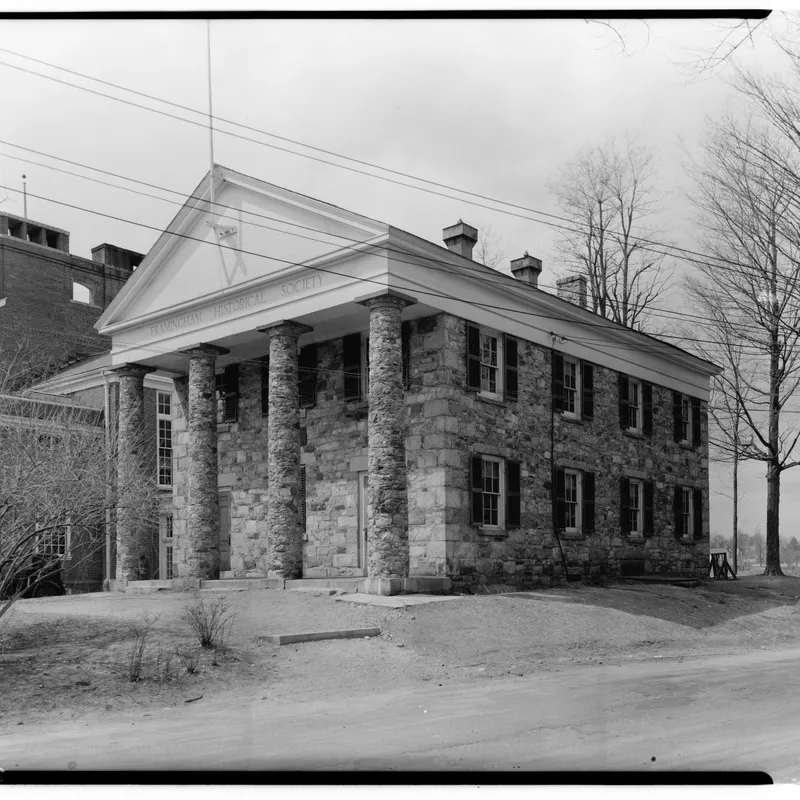
How the orange filter cuts atmospheric haze, separates stone from brick, and deepens skies without the near-black extremes of a deep red.
· 7 min read
How a yellow-green (X1) filter lightens green foliage and skin tones while gently darkening the sky, and why it suits daylight portraits.
· 7 min read
What film grain physically is, how developer solvency and agitation change graininess, and why finer grain and crisp edges often pull against each other.
· 6 min read
Why ISO 125 FP4 Plus delivers smooth midtones and forgiving exposure across formats, and how developer dilution shifts grain, sharpness, and contrast.
· 6 min read
How shortened development lowers negative contrast and rescues overexposed or high-contrast scenes, and what it costs in shadow separation and effective speed.
· 7 min read
Why Foma's Fomapan emulsions often meter slower than box speed and lose sensitivity sharply during long exposures.
· 6 min read
How Delta's engineered core-shell tabular crystals depart from cubic-grain films, and what that means for sharpness, speed, and development latitude.
· 6 min read
Why ISO 50 Pan F Plus delivers exceptional fine grain and resolution, and why its latent image must be developed promptly to hold shadow detail.
· 5 min read
How Fujifilm Neopan 100 Acros II resists reciprocity failure to 120 seconds, and what its Super Fine-Sigma grain delivers.
· 6 min read
Why thiosulfate fixer wears out, how retained silver complexes stain a negative, and the film-clip clearing test that flags a spent bath.
· 7 min read
How Ilford HP5 Plus and Kodak Tri-X 400 differ in tonal response, grain, and development latitude as working 400-speed black and white films.
· 6 min read
How Xtol pairs ascorbic acid with a phenidone-type agent for fine grain and full speed, and why early batches failed without warning.
· 6 min read
How flattened tabular silver-halide crystals raise sharpness and cut graininess for a given film speed, and why T-Max is sensitive to development time.
· 7 min read
How pyrogallol and pyrocatechin developers build a coloured stain alongside silver, and why that stain works as a built-in proportional highlight mask.
· 7 min read
How highly dilute Rodinal and long, still development compress highlights, sharpen edges, and where the method tends to fail.
· 7 min read
Why development rate climbs steeply with temperature, how compensation factors are derived from it, and where time adjustment stops working outside 20C.
· 6 min read
How HC-110's lettered dilutions derive from its stock syrup, why dilution B became the default, and how working strength governs developer activity.
· 6 min read
How inversion, twirl, and rotary agitation move developer across the emulsion, the patterns they leave, and how each shapes evenness and contrast.
· 7 min read
What rating Tri-X 400 at EI 1600 and extending development actually does to shadow detail, contrast, grain, and where highlights begin to block up.
· 7 min read
How classic selenium hand-held meters encoded an exposure system on their calculator dials, and why the U and O markers anticipated Zone System placement.
· 7 min read
How D-76's borax-buffered chemistry drifts with use, and the trade-offs between replenishment, seasoning, and discarding after a single film.
· 7 min read
How the in-camera histogram maps tonal distribution, how to spot clipping and blocked shadows, and why the JPEG-based histogram misleads raw shooters.
· 6 min read
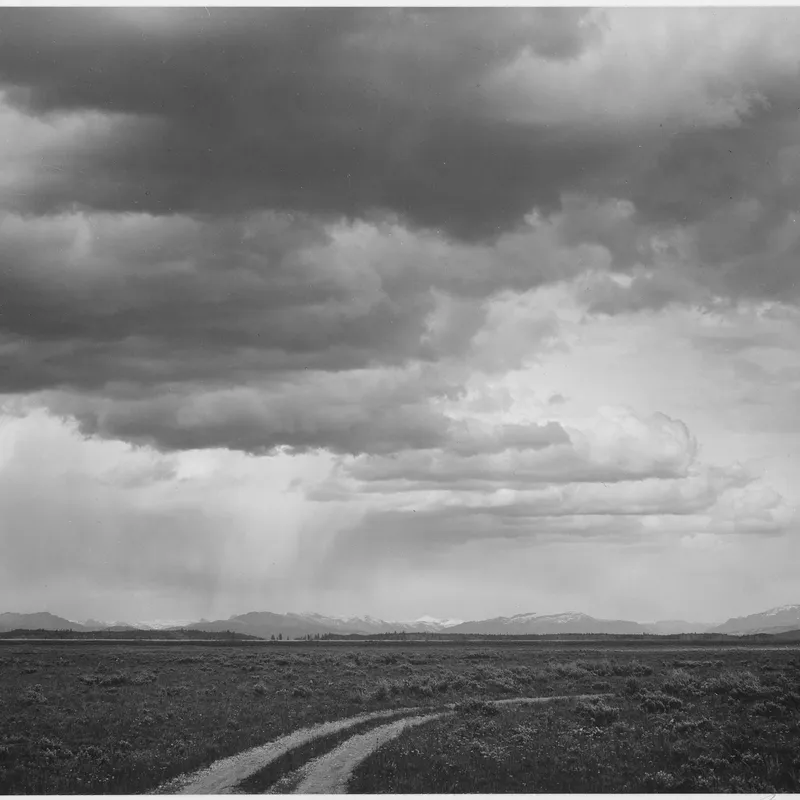
How graduated neutral density filters compress a scene's brightness range by darkening the sky, and why the horizon dictates a hard or soft transition.
· 7 min read
How a uniform sub-threshold exposure before the main exposure lifts deep shadows past the film's threshold while leaving highlights almost untouched.
· 7 min read
Why box ISO often yields thin shadows, and how metering Zone I density on a specific film and developer reveals a personal exposure index.
· 6 min read
How camera meters average a scene with center-weighted and multi-zone matrix patterns, where each fails, and when an exposure override is warranted.
· 6 min read
How the Sunny 16 rule estimates daylight exposure without a meter, its adjustments for cloud and shade, and why it still checks a metered reading.
· 7 min read
How spot readings of the darkest and brightest important areas reveal a scene's contrast range in stops, and whether it fits the film.
· 6 min read
How and when to bracket exposures by full and fractional stops, how to set the spread for film versus digital, and when brackets serve as insurance or as blending source frames.
· 7 min read
How extending development time raises negative contrast so a short scene brightness range fills a normal paper grade, the expansion half of the Zone System.
· 5 min read
What dynamic range means quantitatively, how a scene's luminance span compares to film's recording capacity, and where detail is lost when they mismatch.
· 7 min read
How shortening development time lowers negative contrast so a long scene brightness range fits a normal paper grade, the second half of the Zone System equation.
· 6 min read
How a spot meter reading of the darkest important shadow, placed two stops down on Zone III, secures shadow detail in a negative.
· 7 min read
Why negative film forgives overexposure while sensors clip highlights abruptly, and how latitude differs from dynamic range.
· 7 min read
Film shadows starve for light while digital highlights clip hard. The opposite failure modes of the two media reshape every metering decision.
· 8 min read
How the H&D curve maps log exposure to density, and what its toe, straight-line section, and shoulder reveal about shadow and highlight rendering.
· 8 min read
How shifting raw exposure toward the highlights raises shadow signal-to-noise ratio, and the histogram and clipping discipline the technique demands.
· 6 min read
Why reflected meters render every reading as middle gray, how a gray card fixes a base exposure, and why 18% and 12.5% calibration disagree.
· 7 min read
How incident and reflected meters read light differently, when each excels, and why incident readings sidestep the middle-gray assumption.
The grainmag companion app
Meter and place your tones without a signal. No account, no internet required — just you, the light, and the grain.